
Photo by Jonathan Borba
Formula 1 cars are the pinnacle of automotive engineering, combining cutting-edge technology, aerodynamics, and raw power to create the fastest race cars in the world. Unlike regular road cars, F1 machines are built for pure speed, agility, and efficiency. But what exactly makes them so special? Let’s break it down.
1. Aerodynamics: The Key to Speed and Control
Aerodynamics play a crucial role in how an F1 car performs on the track. The design of the car is focused on two main goals:
- Downforce: Pushes the car down onto the track, increasing grip and allowing higher cornering speeds.
- Drag Reduction: Minimizes air resistance to maximize straight-line speed.
Key aerodynamic components include:
- Front and Rear Wings: Designed to direct airflow efficiently and generate downforce.
- Diffuser: Helps manage airflow under the car to create additional downforce.
- DRS (Drag Reduction System): A movable rear wing flap that reduces drag and boosts speed on straights.
2. Power Unit: The Hybrid Heart of an F1 Car
Modern F1 cars use advanced hybrid power units, a combination of internal combustion and electric power.
- 1.6L V6 Turbocharged Engine: The main power source, capable of producing over 1,000 horsepower.
- Energy Recovery System (ERS): Captures and reuses energy from braking and exhaust gases, improving efficiency and performance.
- MGU-K & MGU-H: Convert kinetic and heat energy into additional power.
3. Carbon Fiber Construction: Lightweight and Strong
F1 cars are made from carbon fiber composite materials, which provide an exceptional strength-to-weight ratio. This keeps the car as light as possible while ensuring it can withstand high-speed impacts.
4. Tires: The Only Contact with the Track
Pirelli supplies different types of tires, each designed for specific track conditions:
- Soft Tires: Provide maximum grip but wear out quickly.
- Medium Tires: A balance between grip and durability.
- Hard Tires: Last the longest but offer less grip.
- Intermediate & Wet Tires: Specially designed for rainy conditions.
5. Braking System: Precision Stopping Power
F1 cars use high-performance carbon brakes, which can bring the car from 200 mph to a stop in just a few seconds. These brakes operate at extreme temperatures and require careful management during a race.
6. Steering Wheel: The Driver’s Control Center
Unlike a normal car, an F1 steering wheel is packed with buttons, dials, and paddles, allowing drivers to:
- Adjust fuel mixtures and engine settings.
- Change brake balance.
- Activate DRS for overtakes.
- Communicate with the team via radio.
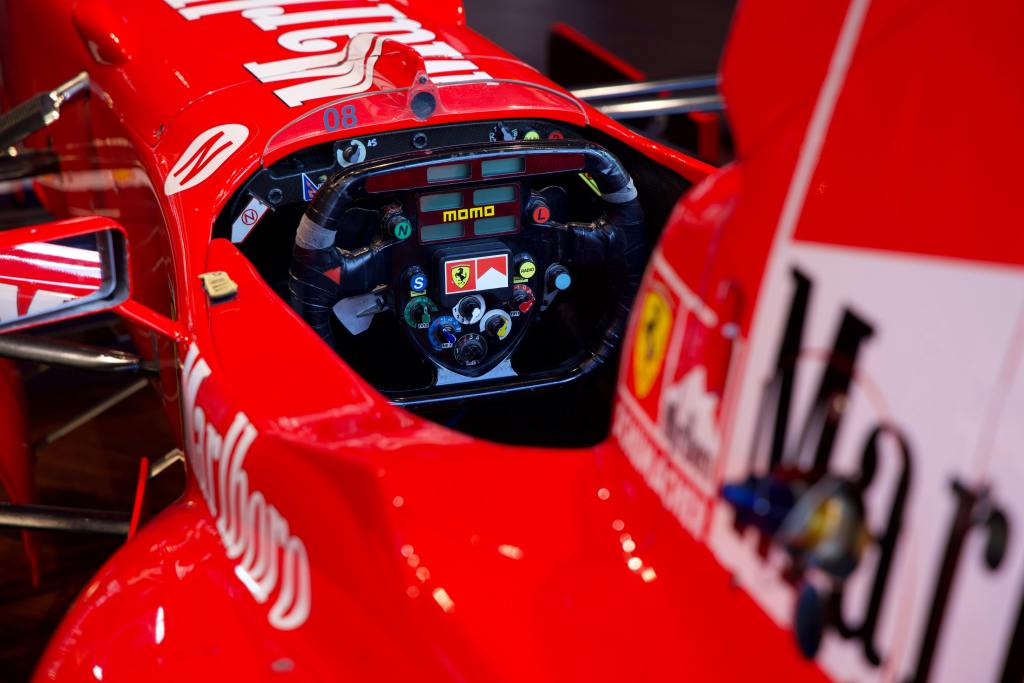
Photo by Rain Z
Subscribe
Subscribe to get our the latest stories in your inbox.



 Lap of Words
Leave a comment