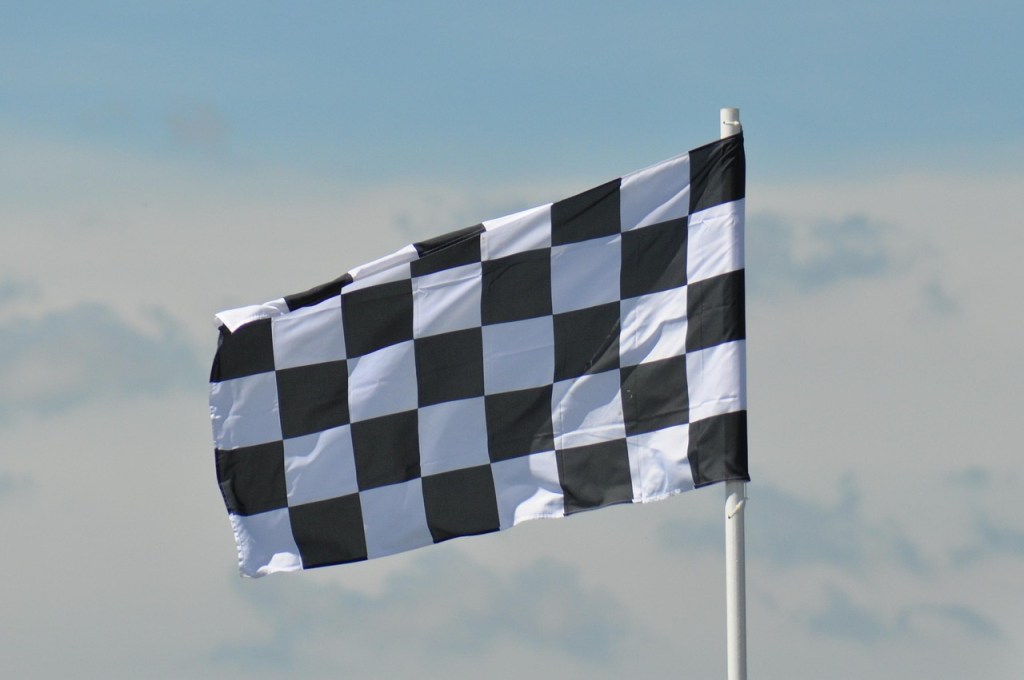
Formula 1 is the pinnacle of motorsport, featuring some of the most advanced racing cars and the best drivers in the world. But if you are new here, understanding how an F1 race weekend works can be a bit overwhelming because I know for me it was! Here’s a beginner-friendly breakdown of the structure of an F1 weekend, from the first practice session to the final checkered flag 🏁
Friday: Free Practice Sessions
The race weekend kicks off with two practice sessions called FP1 and FP2 (which stands for Free Practice) on Friday (except in Sprint weekends, which have a different format). These sessions allow teams to gather crucial data on the car’s performance, tire degradation, and track conditions. Each session typically lasts 60 minutes, giving drivers time to perfect their setups and adapt to the circuit.
Saturday: More Practice and Qualifying
On Saturdays, the day starts with FP3 (Free Practice 3) and kicks off with Qualifying later in the day that determines the starting grid for Sundays race.
- Free Practice 3 (FP3): The final practice session takes place on Saturday morning, providing one last opportunity to test setups and strategies before qualifying.
Qualifying: How the Starting Grid is Decided
In Formula 1, qualifying determines the starting order for the race. It takes place in a three-part knockout format called Q1, Q2, and Q3. Drivers aim to set the fastest lap times to secure the best possible starting position. Here’s how it works:
Q1 (First Round – 18 minutes)
- All 20 cars go on the track to try to set their fastest lap times within 18 minutes.
- Once time runs out, the five slowest drivers are eliminated.
- These drivers will start the race from positions 20th to 16th, based on their lap times.
Q2 (Second Round – 15 minutes)
- The remaining 15 drivers continue to the next session.
- They have 15 minutes to set another fast lap time.
- Again, the five slowest drivers are eliminated, securing grid spots 15th to 11th.
Q3 (Final Round – 12 minutes)
- The top 10 fastest drivers now compete for the best starting positions.
- They have 12 minutes to battle for pole position—the first spot on the grid.
- The rest of the top 10 positions (2nd to 10th) are decided based on their lap times.
Key Things to Know About F1 Qualifying:
- The fastest driver in Q3 starts from pole position, giving them an advantage in the race.
- If two drivers set the same lap time, the one who set it first gets the higher position.
- Weather, track conditions, and strategy play a big role—teams must time their laps carefully.
Sunday – Race Day!!
The Grand Prix is the main event, where drivers compete for championship points. The race length is determined by a set number of laps, usually covering about 305 km (189 miles). Strategy plays a huge role, with teams deciding when to pit for fresh tires, manage fuel, and navigate safety car periods. The first driver to cross the finish line after completing all laps wins the race.
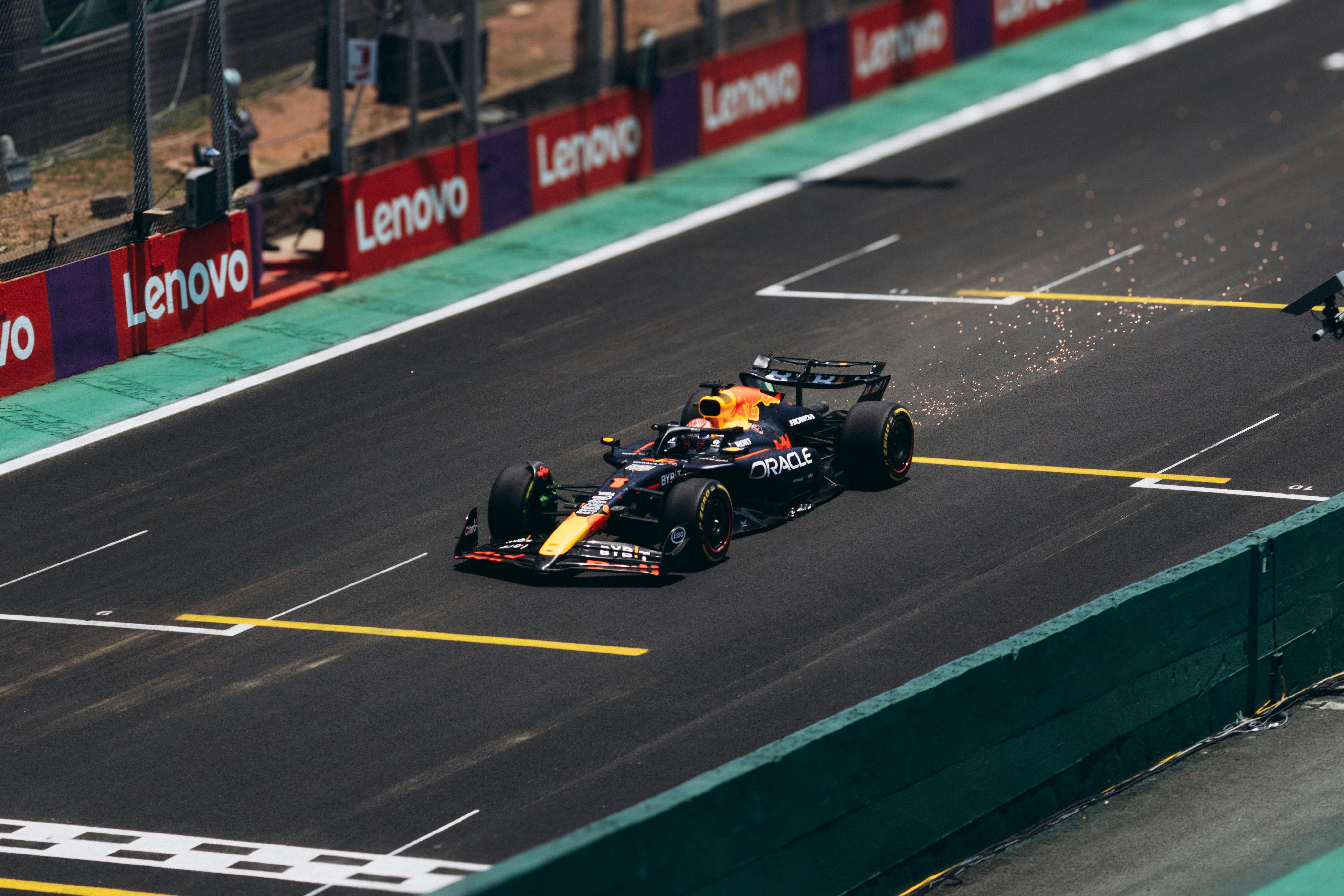
Photo by Jonathan Borba
Subscribe
Subscribe to get our the latest stories in your inbox.



 Lap of Words
Leave a reply to What is a Sprint Weekend? – Lap of Words Cancel reply